fluid outside the lungs
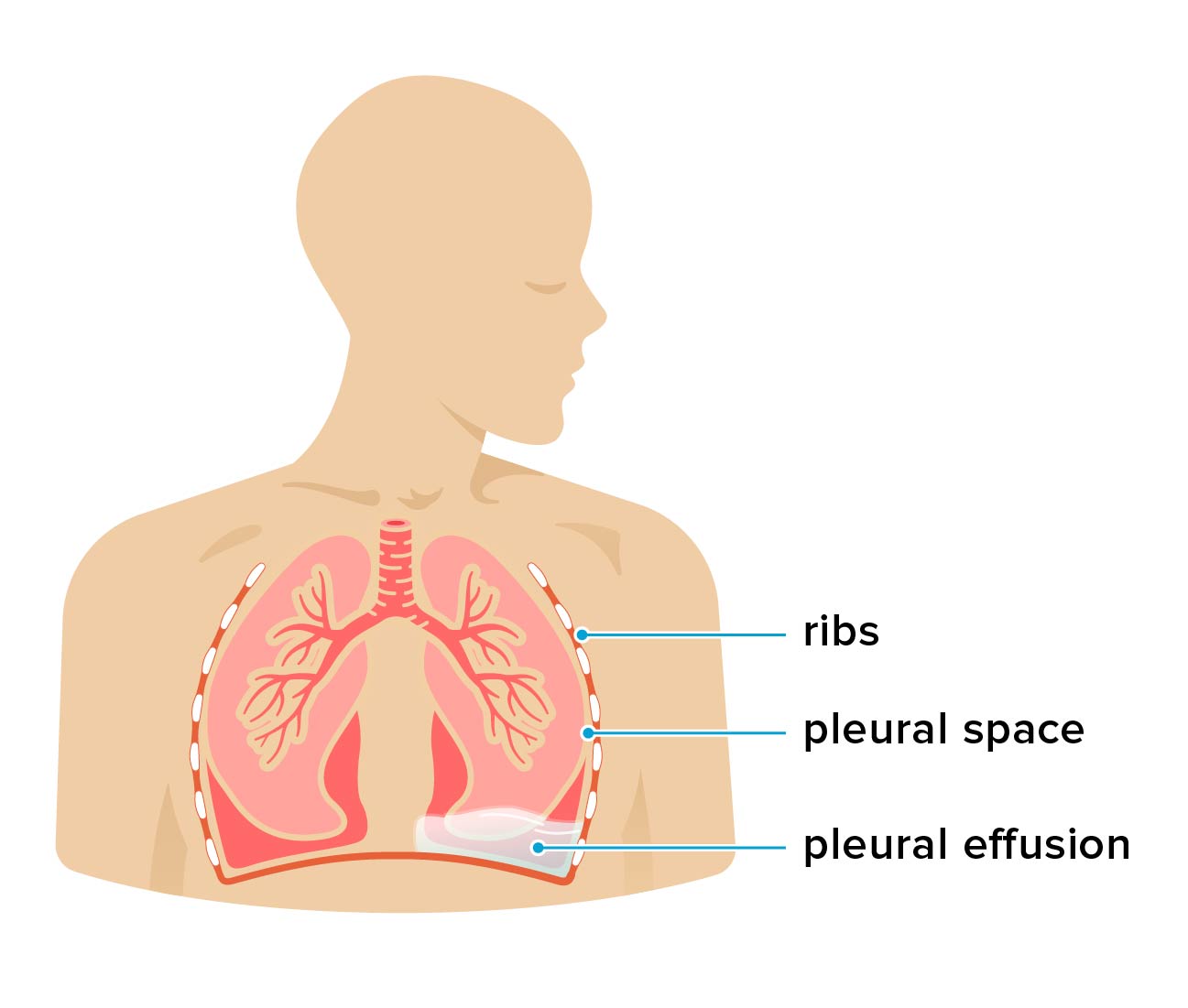
Most people will present with shortness of breath on exertion. Pleural effusion is when the fluid around the lungs accumulates in the pleural space.

Pleural Effusion And Ascites Pfm Medical Ag
Having excess fluid in the lungs is a condition called pulmonary edema which basically means swelling of the lungs.

. When water begins to build up in the layers of the pleura on the outside of the lung it doesnt pose as immediate a threat as a pulmonary edema because it wont negatively affect breathing. These sheets of tissue are called the pleura. Dogs who have accumulated substantial amounts of fluid chronically may tolerate them with little shortness of breath. Normally there is a very small space between the lung and lining of the chest wall.
Blood hematothorax fatty lymph fluid chylothorax or pus empyema can also fill the pleural space although this occurs less frequently. Fluid accumulation outside air sacs in the pleural cavity leads to a different type of fluid on the lung called pleural effusion. Pleura are thin membranes that cover both inside and outside of the lungs. Treatment of a pleural effusion depends on the size and the cause of the fluid collection.
The degree of shortness of breath often doesnt directly correlate with the amount of fluid present. In certain disease processes for example congestive heart failure or a pneumonia abutting the pleural membrane fluid may accumulate abnormally within the pleural space. Procedure eases complications related to fluid around lungs. Any fluid accumulation in the lungs should be taken seriously and require immediate medical attention.
That can include pleural effusions an unusually large amount of fluid around a persons lungs that can. And it can be caused by more than a dozen different conditions. A pleural effusion is a buildup of extra fluid in the space between the lungs and the chest wall. Published on Thursday August 23 2018.
This fluid accumulates in the chest cavity outside the lung causing whats. The shortness of breath consisting of rapidshallow breathing is due to the fluid impairing the expansion of the lungs. Negative pressure strong enough to suck out fluid would cause massive alveolar damage resulting in hemorrhage in the lungs. It never creates a negative pressure inside the lungs.
Usually there is a very tiny amount of fluid contained within this space. This area is called the pleural space. Fluid accumulation in the lungs is just one complication of lung cancer which may or may not cause other bothersome symptoms in the patient. To propose that the excess of fluid in the lungs seen in COVID-19 patients may be because kinins are not being neutralized due to the shortage of the ACE2 receptor.
Cause of fluid on and in lungs Often Between the layers of the pleura is a very thin space It is known that transport of ions of sodium and potassium Healthcare providers check for a pneumothorax that did not show up on a chest x-ray it starts retaining fluid which gets accumulated in the chest cavity present outside the lungs some require treatment to avoid. For instance fluid buildup is a key symptom of coronary heart disease as well as many different respiratory disorders. This just means that they feel winded when they do things that they would normally do or try to exert themselves. As people live longer with more advanced stages of cancer or chronic diseases the longer their complications must be treated.
So as it builds up the collected fluid causes shortness of breath. Both problems can result from a variety of underlying health conditions and getting the right treatment depends on a detailed and accurate diagnosis. This led van de Veerdonk et al. In certain conditions fluid accumulates in this space creating a collection of fluid called a pleural effusion.
Fluid outside the lungs. A thoracentesis is a procedure in which fluid is removed from the pleural space which is the space in the lining around the lungs. About half of people with cancer develop a pleural effusion. Yes it is possible to accumulate fluid outside of the lung.
The pleura creates too much fluid when its irritated inflamed or infected. The fluid stops the lung from fully expanding when you breathe. Fluid in the lungs or termed as Pleural effusion is a condition where there is an excessive build-up of fluid in the location between the chest cavity and the lungs. Some of these are mentioned as follows.
Fluid in the airspaces of the lung is called pulmonary edema. Fluid Outside the Lungs Pleural effusion is when fluid accumulates around the lung in the pleural space. However if a pleural effusion becomes serious enough it can cause pressure and eventual collapse of the lung so it must still be taken seriously. Shortness of breath Heaviness Chest pain Discomfort Cough.
In some cases such as kidney failure. Blood hemothorax fatty lymphatic fluid chylothorax or pus empyema may also fill the pleural space although this occurs less frequently. When cancer grows in the pleural space it causes a malignant pleural effusion. I am a physician MD by training although I am currently not in practice - I am engaged in biomedical research.
When cancer affects the lungs fluid can sometimes collect between the sheets of tissue that cover the outside of the lung and the lining of the chest cavity. When you have a pleural effusion fluid builds up in the space between the layers of your pleura. Doctors call this fluid collection a pleural effusion. Normally only teaspoons of watery fluid are in the pleural space which allows your lungs to move.
So it just sucks out fluid where the tip is pointing to.

Treatment For Fluid On The Lung Pleural Effusion Coping Physically Cancer Research Uk

Treatment For Fluid On The Lung Pleural Effusion Coping Physically Cancer Research Uk

20 Pleural Effusion Causes Symptoms Treatment Complications

Pe Pleural Effusion St Vincent S Lung Health
Pleural Effusion Symptoms Causes Treatments And More


Comments
Post a Comment